Here, you can explore our activities on international and social issues. Our current topic is „Courage in Europe“. Club members will investigate areas in which civil courage is asked for. They are working on the following:
The history of the European Union (to give a general understanding of the European idea on which our common societal and individual values are based)
Our club took part in the certification of the UEG as a „School without Racism – School of Courage“, a network of 4,000 schools committed to overcoming discrimination and violence, and active participation of the school community in these matters. Further information on https://www.schule-ohne-rassismus.org/.
This topic is meant to reveal the omnipresence of sexual assaults on women in public. Its psychological impact on victims is often downplayed or marginalised, which e.g. can be evidenced in the lyrics of popular songs. Six of them have been investigated in our club.
Public discussion on this issue of the past fifty years can be followed on a timeline with a QR code for further information.
After our last short-term project on sustainabilty together with the Arsakeio Gymnasium Thessaloniki in Greece and the Agrupamento de Escolas D. João II in Caldas da Rainha in Portugal, we are now striving to establish new partnerships in the framework of our Erasmus+ accreditation proposal, which has now been approved! We are planning our next steps organising our activities for pupils taking part in exchange programmes and project with our partners, as well as programmes for teachers taking part in international classes on didactic sand paedagogics.
Within this accreditation programme funded by the EU, we would like to discuss ways to improve inclusion, find inspiration for alternative teaching methods in mathematics, get new perspectives on our mutual humanistic European legacy to bolster democracy and to counter anti-European tendencies, and to focus on sustainable approaches to agriculture and sports. Further information can be found in the category EU accreditation.
In the meantime, we have joined an NLQ consortium which promotes networking among European schools by organising job-shadowing activities at European schools. These visits are meant to get insight into how other countries tackle educational challenges posed by current developments.
These visits are being organised and funded by the NLQ and last a week.
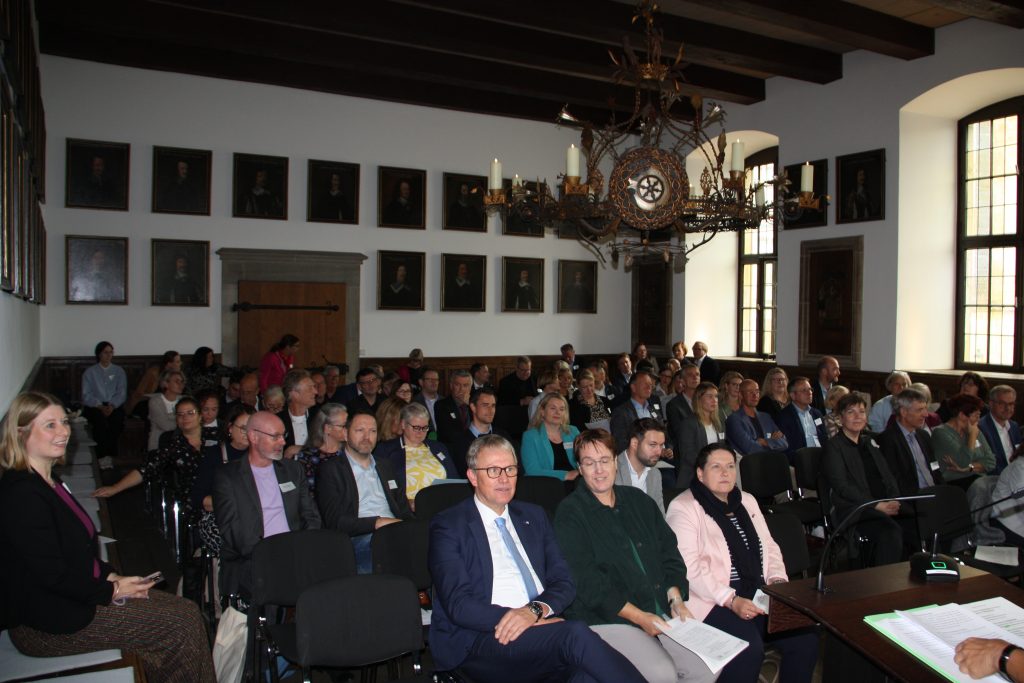
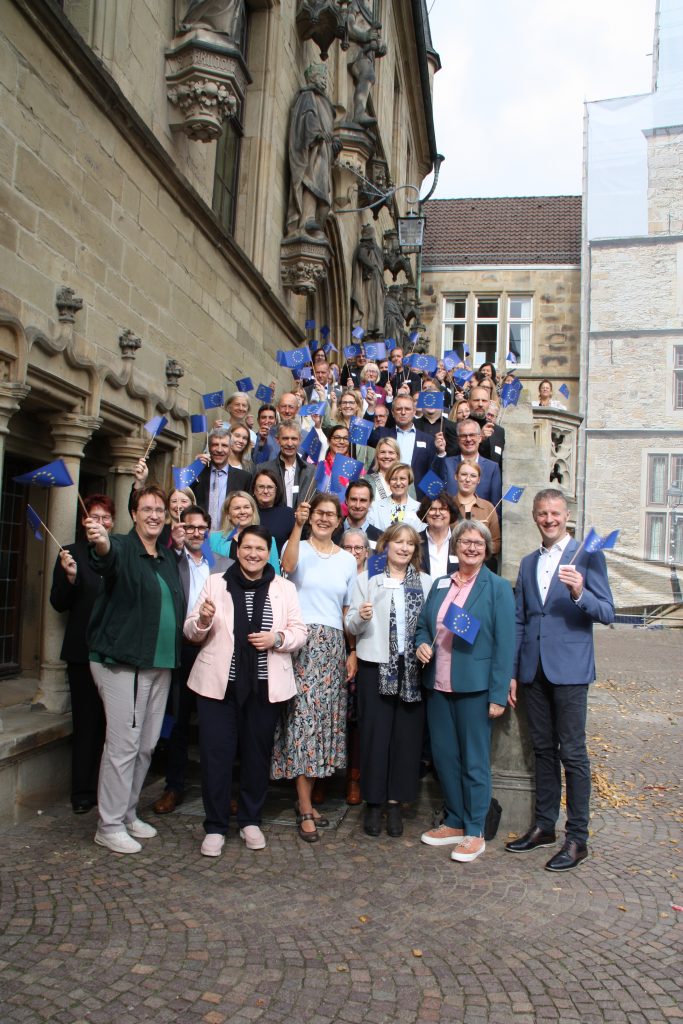
On 22 September 2025, the time had come: in the historic Peace Hall of Osnabrück’s town hall, the Ubbo-Emmius-Gymnasium Leer (UEG) received its recertification as a European School in Lower Saxony. With this, the UEG reaffirms its strong commitment to European values, cross-border learning, and intercultural education.
What does recertification mean?
The title “European School in Lower Saxony” is awarded by the Lower Saxony Ministry of Education. It recognizes schools that demonstrate a clearly developed European profile, for example through bilingual teaching, exchange programmes, or projects on democracy education. With its successful recertification, the UEG underlines that it will continue to actively promote these core elements.
The ceremonial moment in Osnabrück
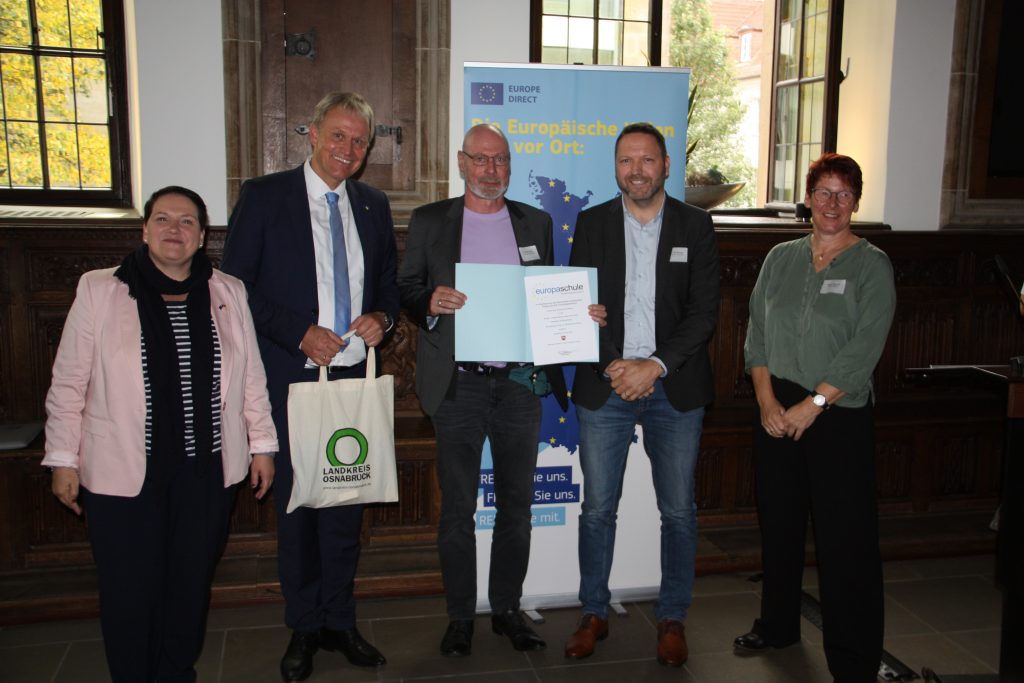
At the central ceremony in Osnabrück, the theme “Learning without borders, living values, strengthening Europe” was at the forefront. Our delegation, represented by deputy headmaster Tom Lünnemann and the school’s European coordinator Frank Pauer, accepted the honour together with representatives of many other Europe-oriented schools.
The photos show, among others, Mr. Frank Pauer and Mr. Tom Lünnemann, who represented the UEG at the ceremony. They proudly hold the certificate in their hands; a visible sign of our continuous European orientation.
Why is this so important for the UEG?
European values in everyday life The school is actively committed to ensuring that students not only learn facts about European countries, but also experience and help shape European values such as democracy, tolerance, and solidarity.
Cross-border education Exchange programmes, European partnerships, and joint projects with schools from other EU member states are firmly anchored in our school profile. This network strengthens understanding of other cultures and reflects our vision of “learning without borders.”
Long-term commitment Recertification is not just an award, it is a mandate. With it, the UEG is committed to further deepening and shaping its European activities in the years to come.
A thank you to everyone involved
This success is the result of the joint efforts of the school leadership, teachers, student council, parents, and staff; a true community project. Without the dedication of many people who bring the European idea into our school life every day, this achievement would not have been possible.
Outlook
With the new certificate in hand, the UEG is well-equipped for the coming years as a European School. We look forward to future projects, new partnerships, and further opportunities to bring the European spirit to life; in lessons, on school trips, and in our everyday school life.
Congratulations to all of us, and here’s to new European horizons!
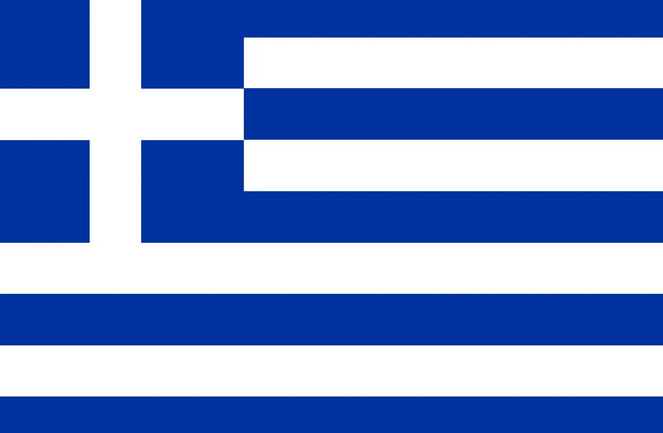
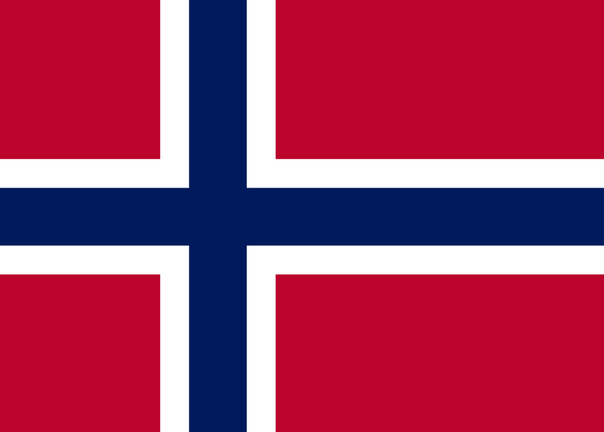
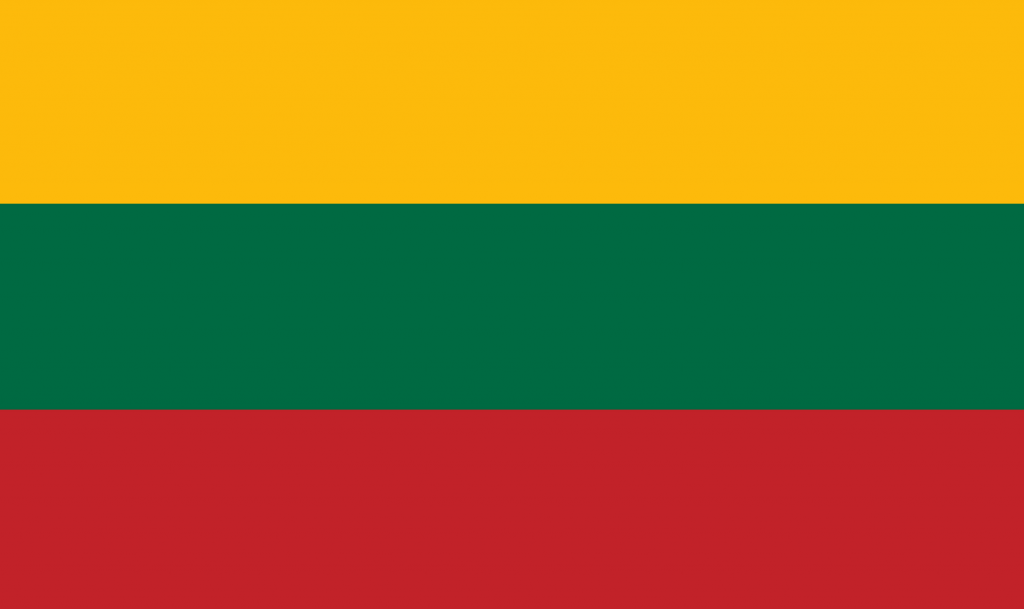
The UEG’s first international school project funded by the EU’s Comenius programme was hosted by our partners from the small Dodekanean island of Lipsi (Greece). The other partners were from Brønnøysund barne- og ungdomsskol (Brønnøysund, Norway), (Pajuris, Lithuania), and (Copenhagen, Denmark).
The project lasted three years and took place from 2006 to 2009.
Our project „A sustainable life cycle of clothing“ was shared by seven partner schools from Eskilstuna (Sweden), Birmingham (Great Britain), Suchy Las (Poland), (Austria), Caldas da Rainha (Portugal), Winsen-Roydorf and Leer (Germany). Each school concentrated on one or two of the following aspects of clothes consumption: production, working conditions, fair trade aspects, transport, distribution & marketing, social images, redesign, recycling, and generation of energy. The sustainability of the processes in each sector was the main focus of the project.