Since 2006, we have been collaborating with partner schools from 13 European countries
Denmark – Germany – Greece – Italy – Lithuania – Norway – Austria – Poland – Portugal – Romania – Sweden – Spain – United Kingdom
Denmark – Germany – Greece – Italy – Lithuania – Norway – Austria – Poland – Portugal – Romania – Sweden – Spain – United Kingdom
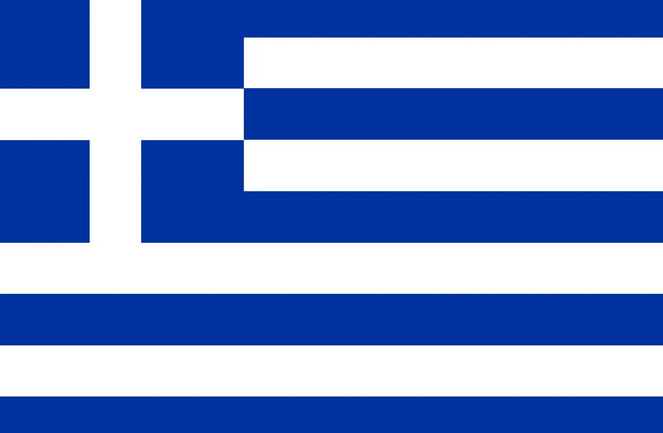 | 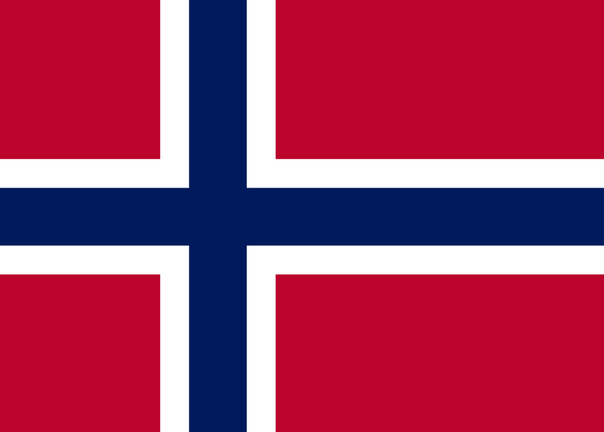 | 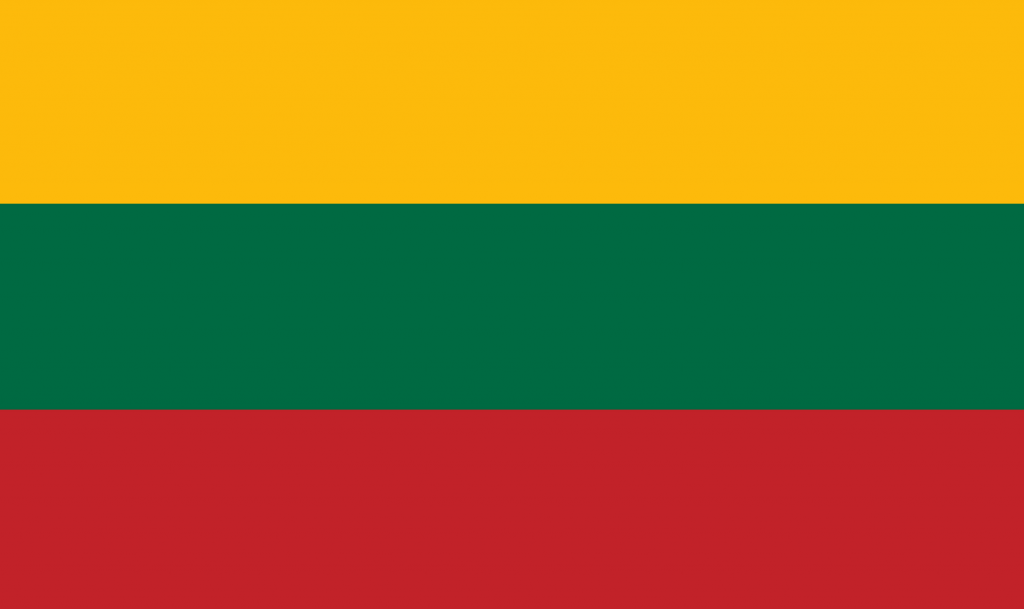 |  |  |
The UEG’s first international school project funded by the EU’s Comenius programme was hosted by our partners from the small Dodekanean island of Lipsi (Greece). The other partners were from Brønnøysund barne- og ungdomsskol (Brønnøysund, Norway), (Pajuris, Lithuania), and (Copenhagen, Denmark).
The project lasted three years and took place from 2006 to 2009.
 |  |  |  |  | |
Our project „A sustainable life cycle of clothing“ was shared by seven partner schools from Eskilstuna (Sweden), Birmingham (Great Britain), Suchy Las (Poland), (Austria), Caldas da Rainha (Portugal), Winsen-Roydorf and Leer (Germany). Each school concentrated on one or two of the following aspects of clothes consumption: production, working conditions, fair trade aspects, transport, distribution & marketing, social images, redesign, recycling, and generation of energy. The sustainability of the processes in each sector was the main focus of the project.
|  | | |
In our third Comenius project, „Euronited Pupils,“ four schools from Kvicksund (Sweden), Suchy Las (Poland), Noto (Sicily), and the UEG are presenting their school life and learning experiences to one another. The aim is to learn about and compare daily school life and the sense of community at schools in other European countries from various perspectives. As a result of this exchange, we have published three Comenius magazines in English, the project’s common language. The first issue focused on „Our lessons and our learning environment“, the second explored „School beyond school,“ and the third, entitled „The Comenius Experience,“ offered a retrospective look at the project at the four schools.